Doctrine, Refined by Experience.
Sentinel is led by a practitioner with two decades of national preparedness programs, disaster response operations, and federal doctrine authorship. The expertise is not theoretical. It was built in the field, tested under real conditions, and refined through every level of the preparedness system.
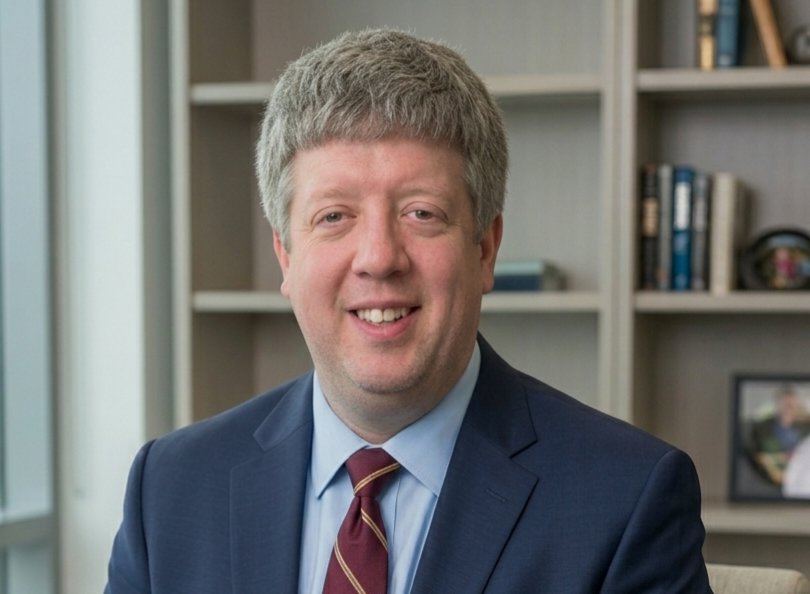
Doctrine, refined by experience.
Sentinel Resilience Partners is led by a practitioner with a proven track record working across national preparedness programs and emergency management functions: someone who began in state emergency operations, worked closely with legislative leaders on impactful policy issues, led national preparedness doctrine at FEMA, and coordinated and executed several aspects of disaster response and recovery operations at the national level. The expertise behind Sentinel is not theoretical. It was built in the field, tested under real conditions, and refined through every level of the preparedness system.
Paul Corgel built his career doing the work: starting in emergency operations, advancing through preparedness program leadership, and ultimately testing that preparation against real-world disaster response at national scale. He began in the state emergency operations center at the New York State Division of Homeland Security and Emergency Services, where hands-on EOC operations gave him an early understanding of what preparedness actually looks like when activation is real, and what happens when it is not. There, he also applied Lean Six Sigma methodology to improve emergency management programs, developing a practitioner's instinct for where operational friction hides.
From that operational foundation, Paul spent more than a decade leading preparedness programs at FEMA, shaping national-level preparedness planning, stakeholder engagement, and policy development. He served as project lead on several of FEMA's foundational guidance publications, including Comprehensive Preparedness Guide 101 (CPG 101) Version 3.0, Planning Considerations: Putting People First, and Private-Public Partnerships Guidance and Tools, products now referenced by emergency management practitioners across all fifty states.
That preparedness work was then tested against operational reality through disaster response and recovery roles at FEMA, including service as a Public Information Officer working crisis communications during the initial phases of major disaster responses, and leadership roles in disaster planning and operations, including during the FEMA/HHS COVID-19 response. Those experiences validated what the preparedness programs were built to do, giving Paul a practitioner's understanding of how preparedness truly impacts response, recovery, and resilience, not in the abstract, but at the organizational and community level, when the pressure is real.
His earlier career spans service in the U.S. House of Representatives and in state legislative bodies including the New York State Assembly and Senate, where he developed the stakeholder engagement and policy navigation skills that now inform how Sentinel builds coordination systems for complex organizations. The combination of operations experience, disaster response, doctrine authorship, legislative service, and process improvement is what Sentinel brings to every engagement.
Where the expertise was built.
Project lead on foundational FEMA guidance now used by practitioners across all fifty states. These publications establish the planning frameworks and standards that form the backbone of how government and industry approach preparedness, continuity, and resilience.
- CPG 101 Version 3.0 and the Six Step Planning Process: FEMA's foundational guide for developing and maintaining emergency operations plans, establishing the planning methodology used across federal, state, local, and private sector organizations
- Planning Considerations: Putting People First: National guidance integrating the needs of people with disabilities and access and functional needs into the emergency planning process at every level
- Private-Public Partnerships Guidance and Tools: Frameworks for building and sustaining public-private coordination across preparedness, response, and recovery operations
Every phase of the preparedness and response cycle, from state-level emergency operations through national disaster response, tested against real conditions across multiple incident types and operating environments.
- New York State Division of Homeland Security and Emergency Services: State emergency operations center activation, EOC operations, and Lean Six Sigma program improvement applied to emergency management
- FEMA Headquarters, National Preparedness Division: Program leadership, planning doctrine development, and stakeholder engagement across federal, state, and local partners for more than a decade
- FEMA Disaster Response Operations: Public Information Officer for crisis communications during the initial phases of major federal disaster declarations
- FEMA/HHS COVID-19 National Response: Leadership roles in disaster planning and operations during a complex, multi-agency national response
- U.S. House of Representatives and New York State Legislature: Legislative and policy service developing the stakeholder engagement and policy navigation skills that inform how Sentinel builds coordination systems
Operational and doctrinal fluency across the government and private sector frameworks that govern how organizations prepare, respond, and recover.
Ready to put two decades of doctrine to work for your organization? The ALIGN Audit is where every engagement begins.